National Bikini Day Follow Up: The Monokini
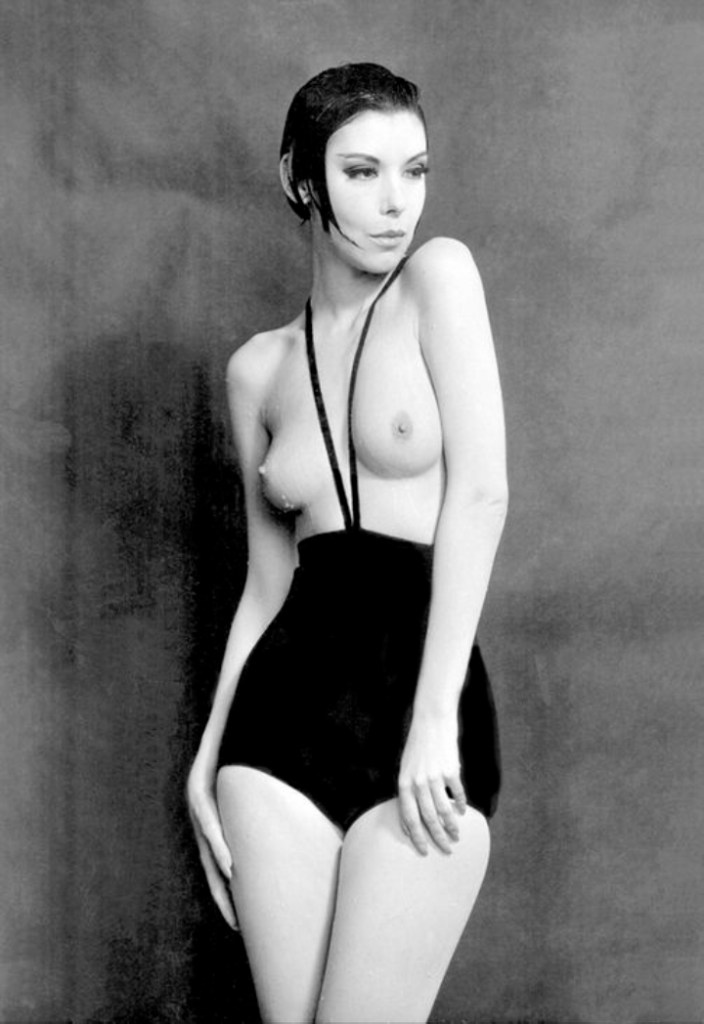
After posting Ronnie for National Bikini Day, I kept thinking about another photograph entirely.
This features American model Peggy Moffitt, photographed by her husband William Claxton in 1964, wearing Rudi Gernreich’s revolutionary monokini.
Although the bikini changed swimwear, the monokini pushed the idea much further. It was a topless swimsuit, but it was also a statement about the body, fashion, publicity, and the power of a photograph. The design was shocking, but the image is what made it impossible to ignore.
For me, this is where swimwear leaves the beach and becomes something much more interesting. It becomes not just fashion, but sexuality and controversy. I do love this!
You can see more photography, motion, projects, and my Blog on my website at https://www.secondfocus.com
Thank you!
A Studio Nude From the Mid-1960s
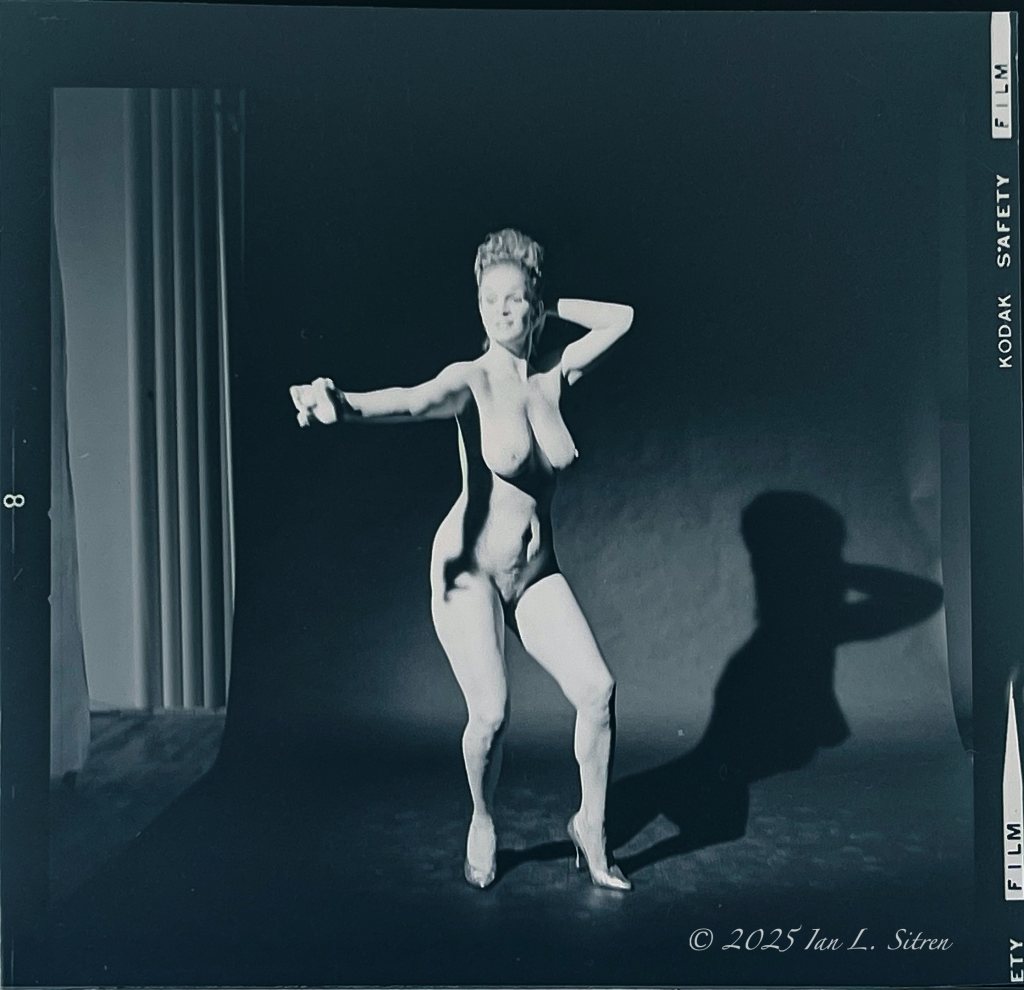
This original medium-format negative, shot sometime between 1960 and 1964, captures a nude model posed in a studio. The setup is simple: a seamless backdrop, a strong key light from the left casting a sharp shadow, and the model in stiletto heels holding a pose as she is dancing. The frame number in the rebate and the imprint from a Hasselblad 120 back place it firmly in the working methods of the era.
What stands out most is the difference in aesthetic between then and now. In the early 1960s, the “ideal” nude model was shaped as much by stage and dance influences as by fashion—often lean but not overly muscular, with a natural body and a poise drawn from performance. Hair was styled, makeup applied, and the presentation carried a certain theatrical quality. Today, the visual language of nude photography spans a far wider spectrum—from unretouched realism to heavily stylized, digitally polished work—and the concept of the “ideal” is far less fixed.
This negative is part of a much larger archive I’ve been building, preserving examples of cultural and erotic photography from different decades. You can view more pieces like this in my gallery From My Collections (Cultural & Erotic) here:
https://www.secondfocus.com/gallery/From-My-Collections-Cultural-Erotic/G0000h1LWkCCepcc/

