The Most Popular Snack in America Isn’t Potato Chips
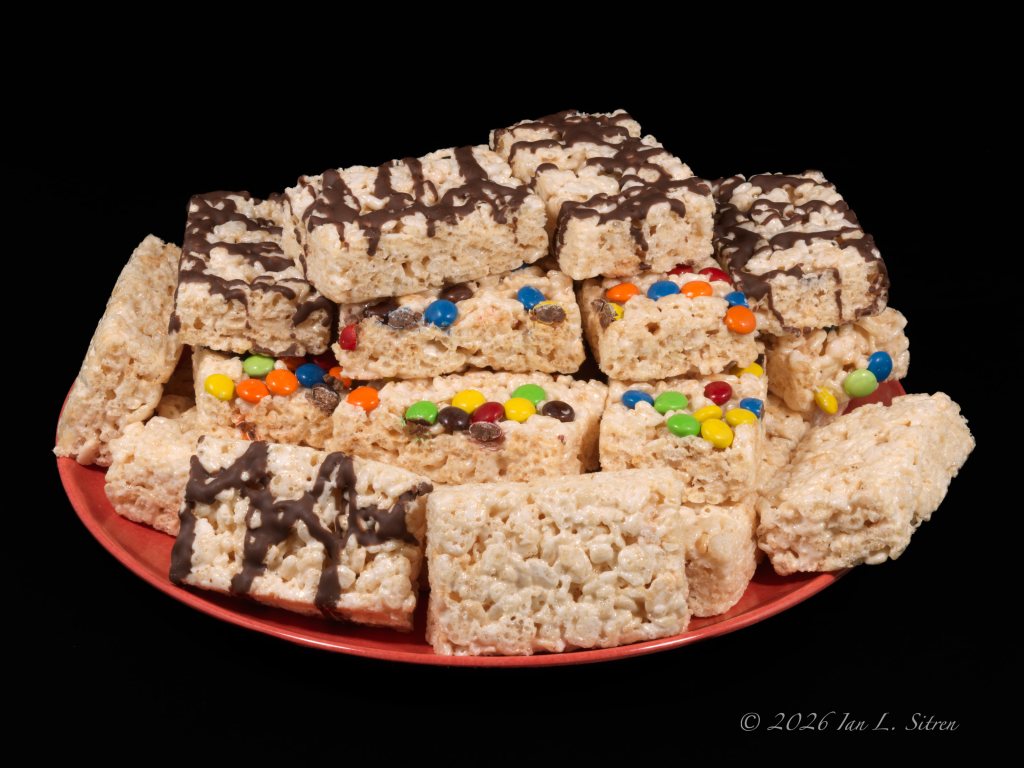
I managed to miss National Snack Day this year. It was March 4th. Somehow that critical moment in American culture slipped right past me, which is unfortunate because snack food is practically a national pastime.
To make up for the oversight, I decided to photograph a plate of Rice Krispies Treats. Not just the classic version, but also a few variations with chocolate drizzle and candy pieces mixed in.
And here is the interesting part. Depending on how you measure it, Rice Krispies Treats are often cited as one of the most popular snacks in the United States. Not potato chips. Not pretzels. Not candy bars. A square of crispy rice cereal held together with melted marshmallow.
The original version dates back to 1939, when Mildred Day, a home economist working in Kellogg’s test kitchen, created the recipe using Rice Krispies cereal and marshmallows. The idea was simple. Melt marshmallows, mix in the cereal, press it into a pan, and cut it into squares. The recipe was initially promoted as a fundraiser dessert for Camp Fire Girls groups across the country.
From there the treat spread everywhere. School bake sales, birthday parties, lunchboxes, office break rooms. Eventually Kellogg’s began producing packaged Rice Krispies Treats, turning what had once been a homemade snack into a grocery store staple.
So even though I missed National Snack Day by a day or two, this seemed like a reasonable way to catch up.
You can see more of my Commercial Food Photography on my website at…
https://www.secondfocus.com/index/G0000WFAqDJQOgKU
National Oreo Cookie Day
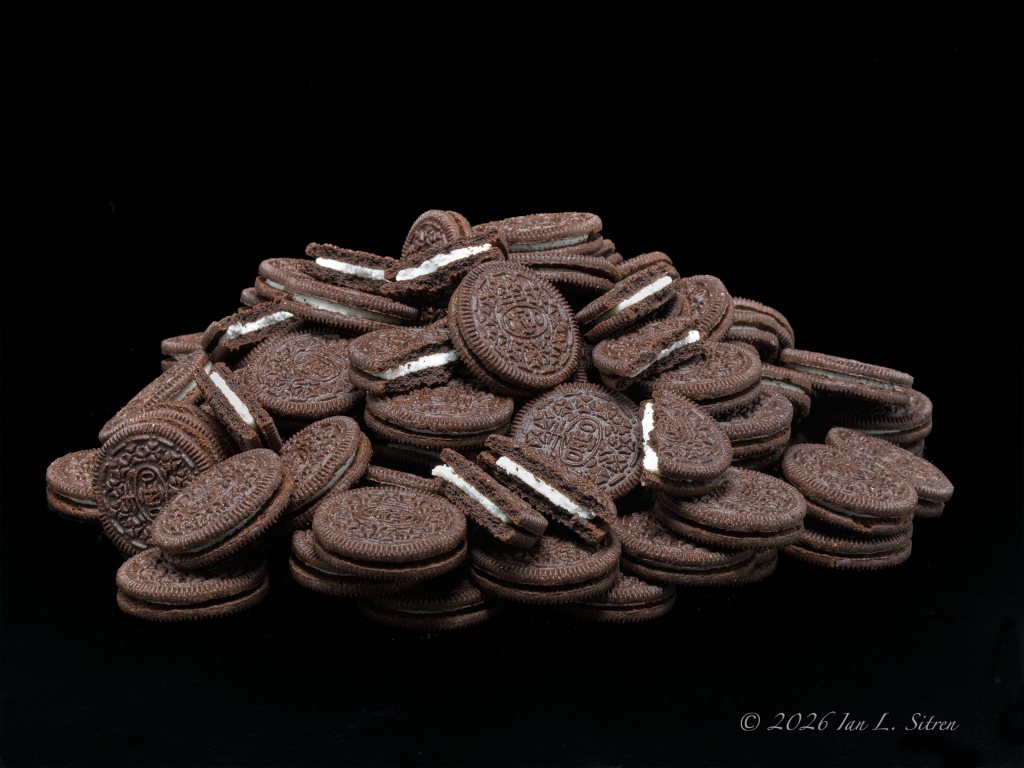
Two chocolate wafers. A layer of sweet cream filling. That was the entire idea.
Today is National Oreo Cookie Day, recognizing the cookie that has been quietly dominating the snack aisle since 1912.
That year the National Biscuit Company, better known as Nabisco, introduced the Oreo, a simple chocolate sandwich cookie finished with the familiar decorative pattern stamped into the biscuit.
More than a century later the formula still works. The company has introduced countless variations, double stuffed, seasonal flavors, and limited editions, yet the original remains the version most people recognize instantly.
For this photograph I kept things simple. A pile of Oreos straight from the package, stacked on a black background. No props and no styling tricks, just the cookies themselves arranged into a small mound of one of the most recognizable snack foods ever made.
You can see more of my Commercial Food Photography here:
https://www.secondfocus.com/index/G0000WFAqDJQOgKU
National Chocolate Chip Cookie Day
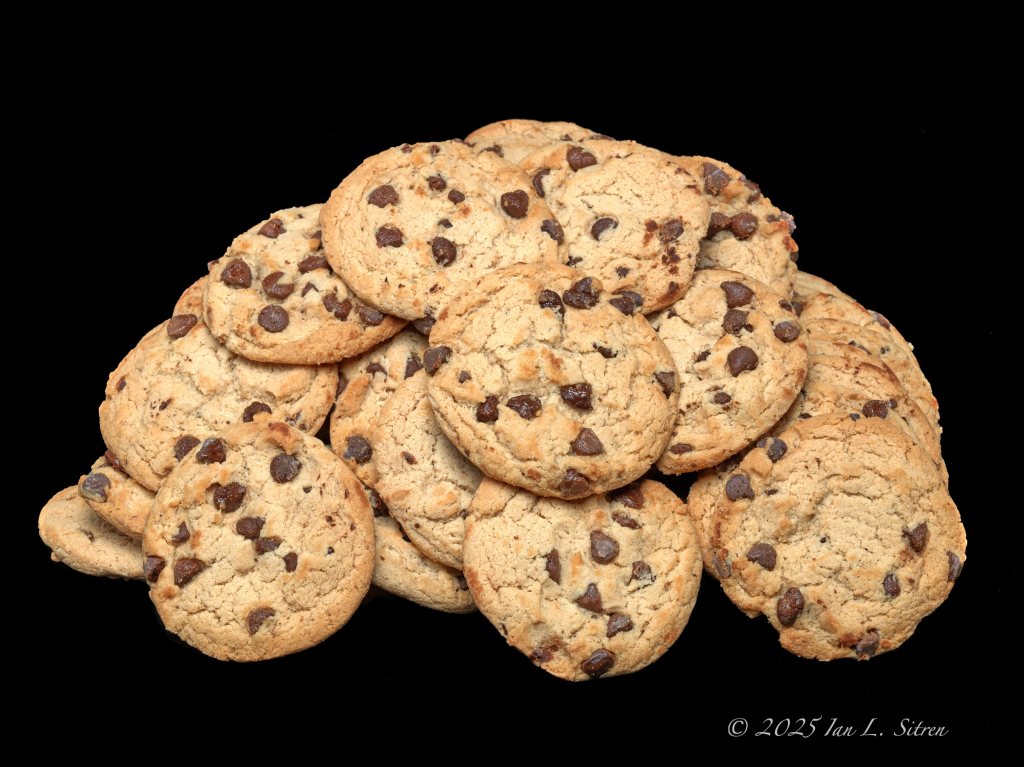
Today is National Chocolate Chip Cookie Day—so I did my part by photographing this heroic mound of cookies instead of eating them. A public service, really.
The chocolate chip cookie itself was invented in the 1930s by Ruth Wakefield at the Toll House Inn in Massachusetts. She added chopped-up chocolate to cookie dough, expecting it to melt. It didn’t—and the chocolate chip was born. One of history’s most delicious accidents.
Mine came from a bag, not an inn, but they still ended up in front of my camera instead of disappearing into late-night regret. No stylists. No props. Just cookies on a black background—safe from temptation (mostly).
See more in my Commercial Food Photography gallery at:
https://www.secondfocus.com/index/G0000WFAqDJQOgKU
National Ice Cream Cake Day: A Carvel Cake Emily Wouldn’t Have Let Happen

Today is National Ice Cream Cake Day, and to celebrate, I took a Carvel ice cream cake, hacked it apart, and stacked the pieces into what can only be described as a leaning, frosting-smeared disaster.
The blue frosting and rainbow sprinkles are still trying to look festive while the chocolate ice cream and whipped topping slide off in quiet surrender. It’s not the cleanest presentation, but it still tastes the same—cold, sweet, and exactly what you want on a hot day.
If my AI assistant Emily had been in charge, it would be a different story. She’d have the slices cut perfectly, the layers lined up like a geometry lesson, sprinkles arranged with precision, and not a smear out of place. The cake would be camera-ready, and she would probably remind me to shoot it before it melted.
But Emily wasn’t here for this one, and it shows. Sometimes ice cream cake is best served like this: messy, leaning, and reminding you that even on National Ice Cream Cake Day, perfection is overrated—unless you’re Emily.
Check out more of my Food Photography on my website at https://www.secondfocus.com/index/G0000wQ3fbeEezF0/I0000nUG8tfk8Gdc
National Macaroon Day — May 31

Today is National Macaroon Day. I photographed 56 coconut macaroons—half regular, half drizzled with chocolate—against my standard black background. Straight from the package, no styling, no props.
Coconut macaroons are a flourless cookie with a long lineage. The earliest versions date back to 9th-century Italian monasteries, made from almond paste. The word “macaroon” itself comes from the Italian maccarone, meaning “paste.” Over time, shredded coconut replaced almonds in the U.S., leading to the chewy golden version most familiar here.
Macaroons gained particular significance within Jewish communities, especially during Passover, due to their flourless composition. That connection helped solidify their place in American bakeries and holiday tables alike.
Whether you prefer the plain version or the chocolate-dipped kind, the macaroon has managed to stay relevant across cultures and centuries. The texture—crisp on the outside, chewy inside—is what makes it.
More photos from my “From Bag to Background” series at https://www.secondfocus.com/index/G0000wQ3fbeEezF0/I0000nUG8tfk8Gdc
Memorial Day, 1934: Meltdown Created Carvel
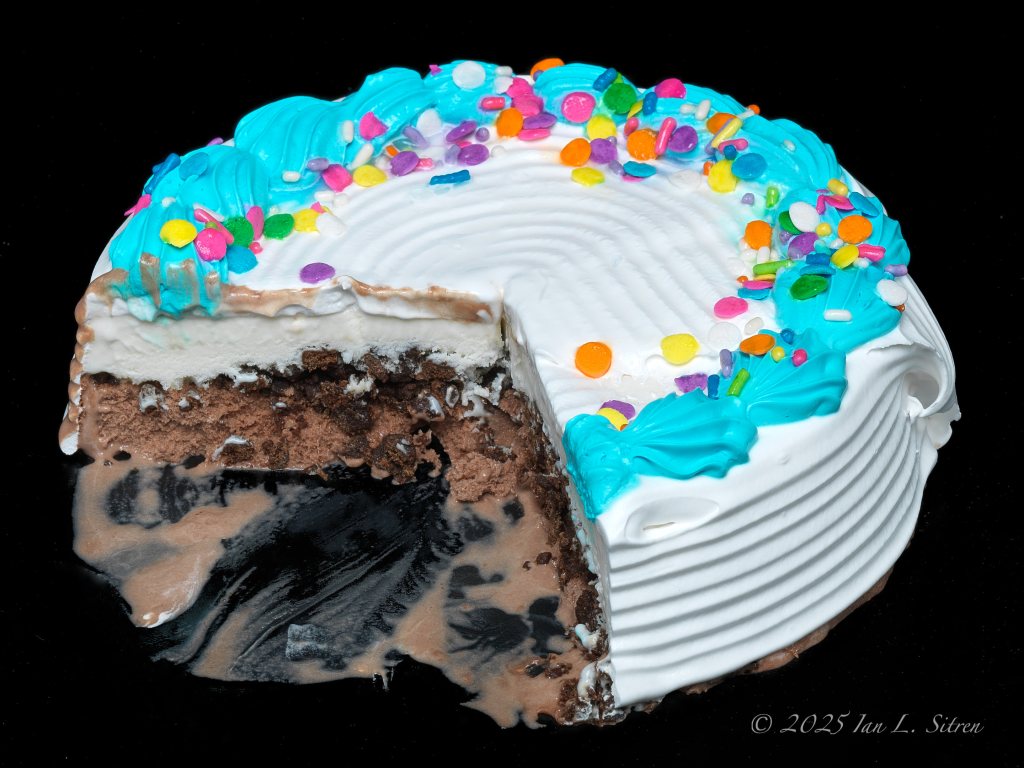
It was Memorial Day weekend, 1934, when Tom Carvel’s ice cream truck got a flat tire in Hartsdale, New York. He pulled into a parking lot and started selling his melting ice cream to passing drivers. What could have been a loss turned into a breakthrough—customers liked the softer texture, and the concept of soft-serve was born.
That moment sparked the launch of the Carvel brand. By 1936, Carvel opened a permanent roadside stand on that same site and began developing his own equipment and franchise model. He pioneered innovations in frozen desserts and advertising—including early television commercials and animated mascots.
In the 1950s, Carvel introduced the now-iconic round ice cream cake—layered with vanilla and chocolate soft-serve, filled with chocolate crunchies, and topped with piped whipped frosting and sprinkles. It quickly became a fixture at birthdays, holidays, and family celebrations.
Photographed here as served—no props, no styling—just the cake, isolated on a black background. It’s part of my “From Bag to Background” series, and a fitting nod to an accidental origin that took place on Memorial Day nearly a century ago.
See more from the series:
https://www.secondfocus.com/index/G0000wQ3fbeEezF0/I0000nUG8tfk8Gdc
Twinkies, Twenty of Them
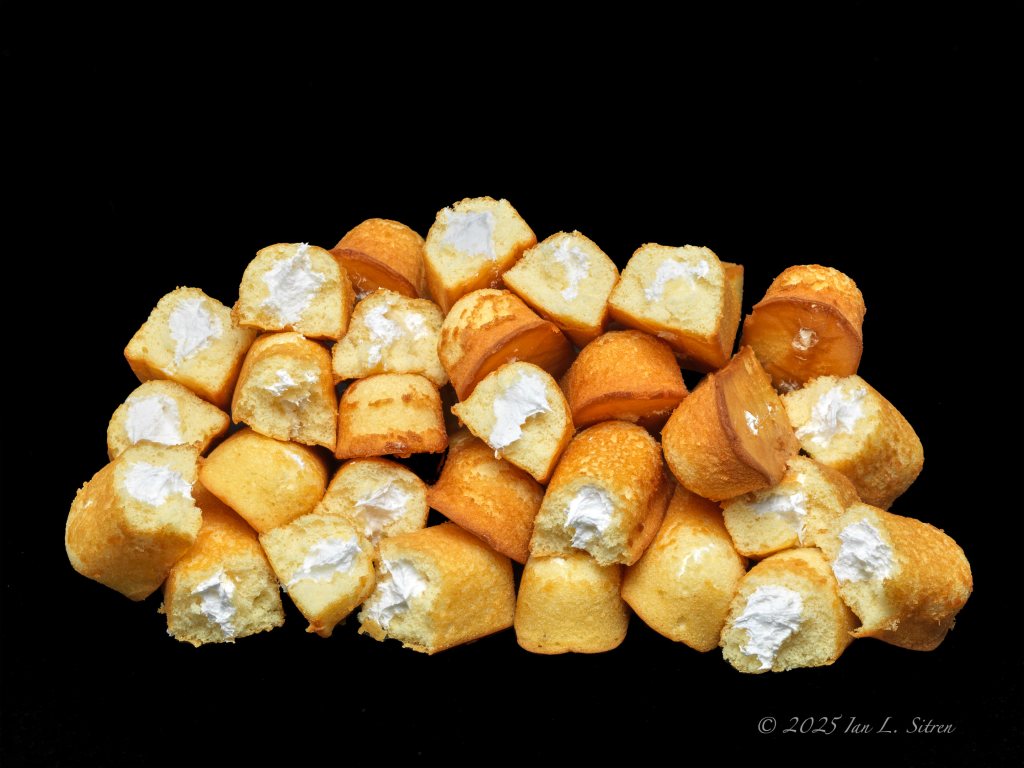
Twinkies, twenty of them for National Twinkie Day today!
April 6, 1930 — James Dewar invents the Twinkie in River Forest, Illinois. He names it after a roadside ad that read: “Twinkle Toe Shoes — the kids’ favorite”. Banana filling at first. Vanilla took over during WWII, and never left.
Since then, they’ve been everywhere: bunkers, lunchboxes, courtrooms, campaign speeches, urban legends. They were discontinued in 2012, mourned like pop stars, then brought back in 2013. This is nostalgia. And a little bit of history.
Celebrating National Oreo Cookie Day: A Look at the World’s Best-Selling Cookie Through My Lens
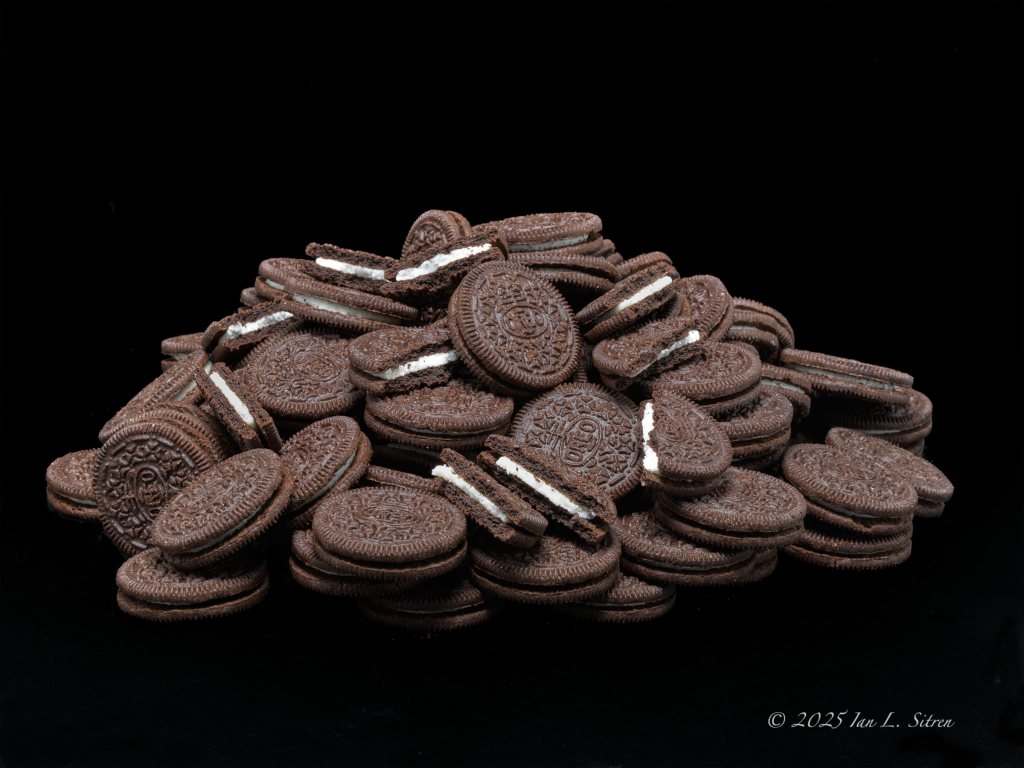
It’s National Oreo Cookie Day! Since their debut in 1912, Oreo cookies have become the world’s best-selling cookie, with over 34 billion consumed annually across more than 100 countries. Originally created by the National Biscuit Company (now Nabisco), the first Oreos sold for just 25 cents a pound. From the classic chocolate and creme combo to countless limited-edition flavors, Oreos have cemented their place as a global snack icon.
My photograph captures a pile of these beloved cookies, showcasing their signature design and creamy filling against a deep black background. Explore more of my food photographs and other intriguing projects on my website at http://SecondFocus.com Thanks!
 SecondFocus Blog