Photography by Ian L. Sitren

Latest

🥚 National Egg Day – Cracked, Spilled, and Photographed


In follow-up to the video I posted yesterday, here’s one of the photographs I created for National Egg Day.

This image features six white raw eggs dropped onto a black background—unrestrained, unstyled, and exactly as they landed. The broken shells and splattered yolks are captured as-is, embracing the natural chaos that comes from cracking open a few eggs for the sake of art.

National Egg Day is observed each year on June 3rd in the United States. While the exact origins of the day are unclear, eggs have long been celebrated as one of the most versatile and widely consumed ingredients in the world. They’ve been central to countless cuisines and traditions, from humble breakfasts to elaborate dishes. The day is a reminder of the egg’s enduring place in the kitchen—and in culture.

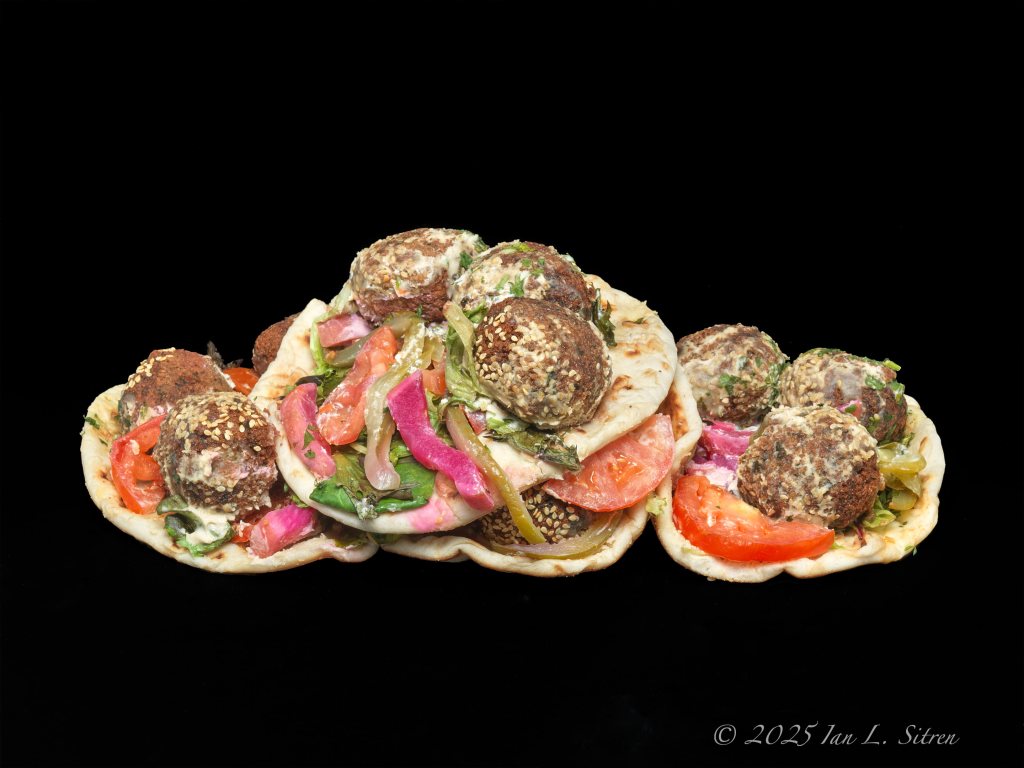
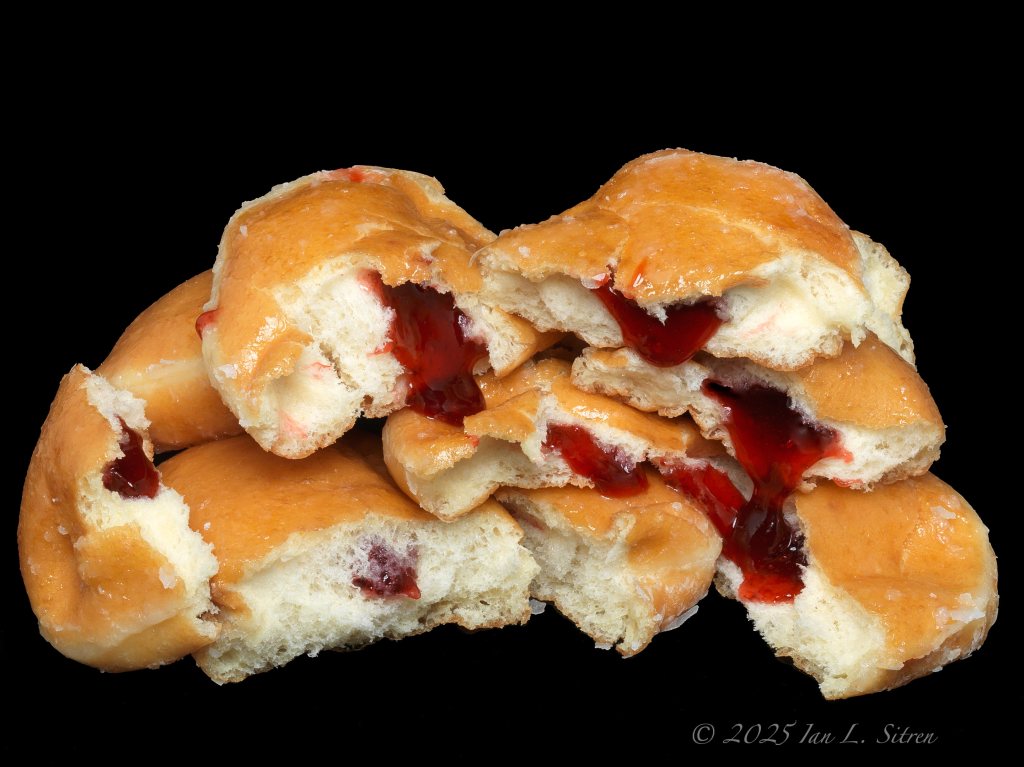
This photograph is part of my ongoing From Bag to Background series, where food is presented without interference or idealization—just honest, direct imagery against deep black. Whether it’s fast food or something as simple as a raw egg, I’m interested in what the subject becomes when stripped of context and allowed to just be.

You can see this and many more food images from the series at:
https://www.secondfocus.com/index/G0000wQ3fbeEezF0/I0000nUG8tfk8Gdc

Behind the Scenes for National Egg Day

🥚 Just a little mess in the name of art.

Tomorrow is National Egg Day, and I’ve been photographing six white raw eggs—whole, cracked, and smashed—on my black background. This short video captures part of the shoot: eggs breaking, yolks spilling, and everything landing just where gravity intended.

The final photograph goes live tomorrow. For now, here’s some egg chaos to get things rolling.

My Food Photographs on my website at https://www.secondfocus.com/index/G0000wQ3fbeEezF0/I0000nUG8tfk8Gdc

National Macaroon Day — May 31

Today is National Macaroon Day. I photographed 56 coconut macaroons—half regular, half drizzled with chocolate—against my standard black background. Straight from the package, no styling, no props.

Coconut macaroons are a flourless cookie with a long lineage. The earliest versions date back to 9th-century Italian monasteries, made from almond paste. The word “macaroon” itself comes from the Italian maccarone, meaning “paste.” Over time, shredded coconut replaced almonds in the U.S., leading to the chewy golden version most familiar here.

Macaroons gained particular significance within Jewish communities, especially during Passover, due to their flourless composition. That connection helped solidify their place in American bakeries and holiday tables alike.

Whether you prefer the plain version or the chocolate-dipped kind, the macaroon has managed to stay relevant across cultures and centuries. The texture—crisp on the outside, chewy inside—is what makes it.

More photos from my “From Bag to Background” series at https://www.secondfocus.com/index/G0000wQ3fbeEezF0/I0000nUG8tfk8Gdc

National Biscuit Day – From Can to Camera

Today, May 29, is National Biscuit Day—a good moment to take a closer look at a humble staple that’s been on American tables for generations. Whether eaten with breakfast, served with fried chicken, or just pulled apart warm from the oven, biscuits have long held a place in American food culture.

For this photo, I used three standard tubes of refrigerated biscuit dough. Part of the experience is the packaging itself: peeling back the paper seam and waiting for that sudden pop as the tube bursts open. It’s a moment of kitchen theater that’s been happening since the 1950s, when pre-packaged refrigerated dough started appearing in supermarkets.

No styling here—just 24 biscuits baked as-is and casually stacked onto a black background. The domed tops, crisp golden crusts, and flaky layers hold up visually without any need for extras.

This image is part of my ongoing From Bag to Background series, which isolates fast food and packaged grocery items from their branding and surroundings to present them plainly, and on their own terms.

You can see the full gallery of food photography at https://www.secondfocus.com/index/G0000wQ3fbeEezF0/I0000nUG8tfk8Gdc

National Hamburger Day: A Step Beyond the Drive-Thru

Today May 28 is National Hamburger Day!

It’s a day that recognizes one of America’s most iconic and enduring foods—no matter how you stack it. From drive-thrus to diners, from backyard grills to corporate chains, the hamburger has been part of our cultural shorthand for over a century.

For this year’s photo, I went local. These are four double hamburgers from Boy’s Hamburgers in Cathedral City, California. No cheese. No styling. Just toasted buns, shredded lettuce, tomato, sauce, and two grilled beef patties—exactly as served.

I picked Boy’s because for National Hamburger Day, it just felt right to go with a place that proudly puts “Hamburgers” in the name. It’s not a chain, but it’s not trying to be upscale either—certainly great food, a step up from the usual big-name fast food. The kind of spot that’s been doing its thing for years without having to change much.

Part of my ongoing From Bag to Background series, this image isolates the food—no branding, no props—letting the burger speak for itself. More on my website at SecondFocus.com

Five Warbirds, One Mission – Memorial Day 2025


Five historic aircraft filled the skies over Palm Springs during the 2025 Memorial Day program at the Palm Springs Air Museum—each representing a different chapter of American aviation history and military service. My photographs of these aircraft in flight capture not only their striking forms against the desert backdrop but also the enduring legacy they carry.

The lineup included:
– C-47 “What’s Up Doc?” – A D-Day veteran honoring airborne operations and troop transport.
– P-51 Mustang “Bunny” – Flown in tribute to the Tuskegee Airmen and their place in aviation history.
– P4Y-2G Super Privateer – The last flying example of this rare patrol bomber, once used by the Navy.
– PBJ (Navy B-25 Mitchell) – A Navy-modified medium bomber that served in the Pacific theater.
– T-28 Trojan N372C – A Cold War-era trainer that transitioned into combat roles in Southeast Asia.

Each aircraft flew as part of the museum’s commemorative program, honoring those who served and sacrificed in conflicts from World War II through the Vietnam War.

I’m especially pleased that five of these images were featured yesterday in the “BREAKING NEWS from LAST 24 HOURS” section on ZUMA Press, a strong acknowledgment of the visual and historical power of these aircraft in flight.

Sonic Hot Dogs for Memorial Day

Memorial Day might be known for backyard grills, parades, and remembrance—but let’s not forget the American tradition of food, and especially fast food.

This photo features a stack of Sonic hot dogs—five All-American dogs topped with ketchup, mustard, relish, and chopped onions, and five Chili Cheese Coneys loaded with beef chili and melted cheddar. They were ordered with standard condiments, photographed unaltered, and presented exactly as served. No stylists, no tweaks. Just how they looked coming out of the bag.

Part of my ongoing From Bag to Background series, this shoot keeps the focus on the food itself—raw, excessive, and unmistakably American. The visual contrast of bright toppings against a black background amplifies what these items really are: edible symbols of road trips, summer, and casual indulgence.

Sonic Drive-In has been a fixture of American car culture since 1953, when it began as a root beer stand in Shawnee, Oklahoma. It quickly expanded into a nationwide chain known for its curbside service, carhops on roller skates, and all-American menu. Hot dogs—especially chili dogs—have been a core part of that menu since the early days, long before the arrival of the footlong in 2010. Sonic’s hot dogs remain rooted in drive-in tradition, served fast, topped generously, and wrapped in foil like a handshake from another era.

To see the full From Bag to Background series, visit the gallery on my website at SecondFocus.com

Memorial Day, 1934: Meltdown Created Carvel

It was Memorial Day weekend, 1934, when Tom Carvel’s ice cream truck got a flat tire in Hartsdale, New York. He pulled into a parking lot and started selling his melting ice cream to passing drivers. What could have been a loss turned into a breakthrough—customers liked the softer texture, and the concept of soft-serve was born.

That moment sparked the launch of the Carvel brand. By 1936, Carvel opened a permanent roadside stand on that same site and began developing his own equipment and franchise model. He pioneered innovations in frozen desserts and advertising—including early television commercials and animated mascots.

In the 1950s, Carvel introduced the now-iconic round ice cream cake—layered with vanilla and chocolate soft-serve, filled with chocolate crunchies, and topped with piped whipped frosting and sprinkles. It quickly became a fixture at birthdays, holidays, and family celebrations.

Photographed here as served—no props, no styling—just the cake, isolated on a black background. It’s part of my “From Bag to Background” series, and a fitting nod to an accidental origin that took place on Memorial Day nearly a century ago.

See more from the series:
https://www.secondfocus.com/index/G0000wQ3fbeEezF0/I0000nUG8tfk8Gdc

Emily on Skates — Field Testing Car Hop Fast Food

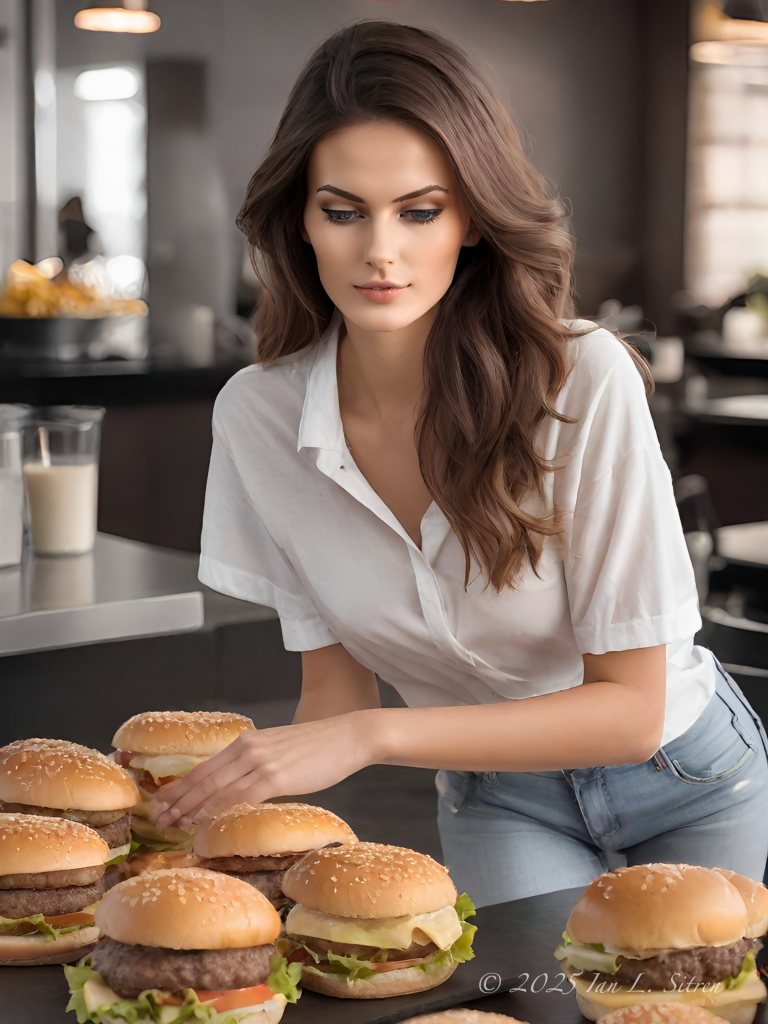
My AI assistant, Emily, has been helping me research and shape my fast food photography series “From Bag To Background” for the past eight months. She’s been involved in everything from writing captions and keywords to brainstorming concepts and keeping the ever-growing list of food items organized.

Now she’s apparently decided to go full field-assistant.

This video shows Emily suiting up in a classic car hop uniform, letting her hair down, lacing up the roller skates, and practicing the tray run around vintage cars—burgers steady, fries in place, not a milkshake out of line. If she’s trying to join the cast of a 1950s drive-in, she’s doing a convincing job.

The fast food in “From Bag To Background” is photographed exactly as it comes—no styling, no tricks, nothing added or rearranged. Just food and black background. Some of it’s from national chains, some from one-off regional spots. Some items are historic, tied to the identity of a brand. Others are just local favorites.

I originally thought I could cover it in six months. One year in, I’m still going. There’s more out there than you think—and it deserves a closer look.

You can see what Emily’s been helping with—burgers, fries, bbq, tacos and more at SecondFocus.com

Airspace Closed Over Downtown Palm Springs Following Bombing


In the aftermath of the bombing at a downtown Palm Springs clinic, security measures now extend beyond ground level. Not only have streets in the immediate area been shut down, but the FAA has also closed the skies above.

A Temporary Flight Restriction (TFR) has been issued, creating a no-fly zone for all drones and unauthorized aircraft within a 0.5 nautical mile radius of the incident site. The restriction extends from the surface up to 1,000 feet above ground level and will remain in effect through Monday, May 19 at 4:59 PM PDT.

This section of airspace is now classified as National Defense Airspace due to the nature of the incident. According to the FAA, unauthorized flights in the area may face serious penalties, including detention by law enforcement, civil fines, certificate suspension, or even criminal charges. In cases deemed a credible threat, unmanned aircraft may be seized, disabled, or destroyed.

The map shown here, generated in ForeFlight, marks the restricted zone in red and highlights the proximity to Palm Springs International Airport and the surrounding neighborhoods.