Spitfire And A FujiFilm XT-1 Camera…
Some scenes yesterday at the Palm Springs Air Museum doing some photography and a video with a FujiFilm XT-1 camera. FujiFilm has loaned me their new system for a week so I can check it out! I do like the color renditions and the realism in the photographs. The other things I like is the small size and weight. Two cameras bodies and three lenses would easily fit in a briefcase size carry bag. Very Cool!


Hellcat, Harriers And Hornets
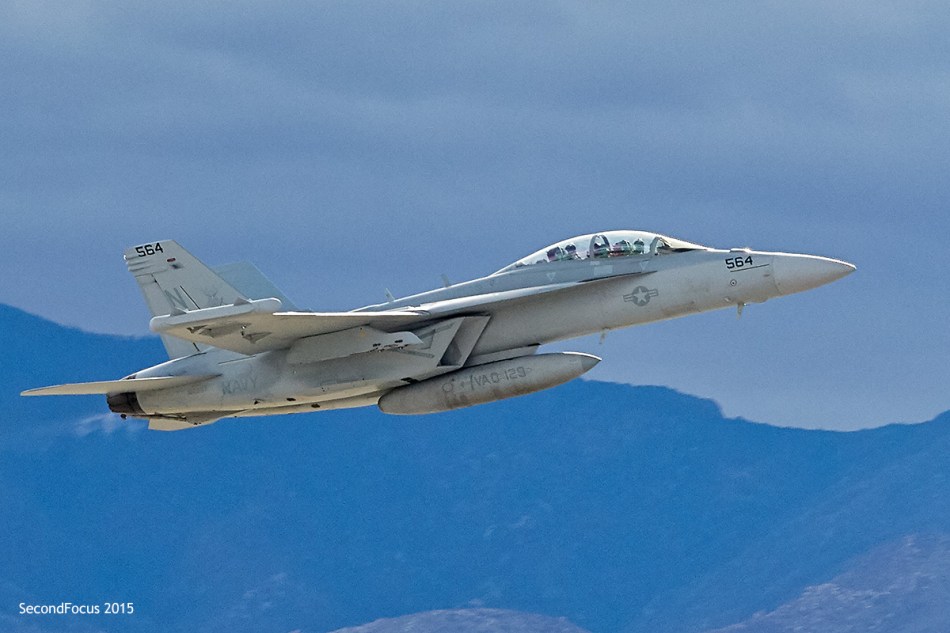
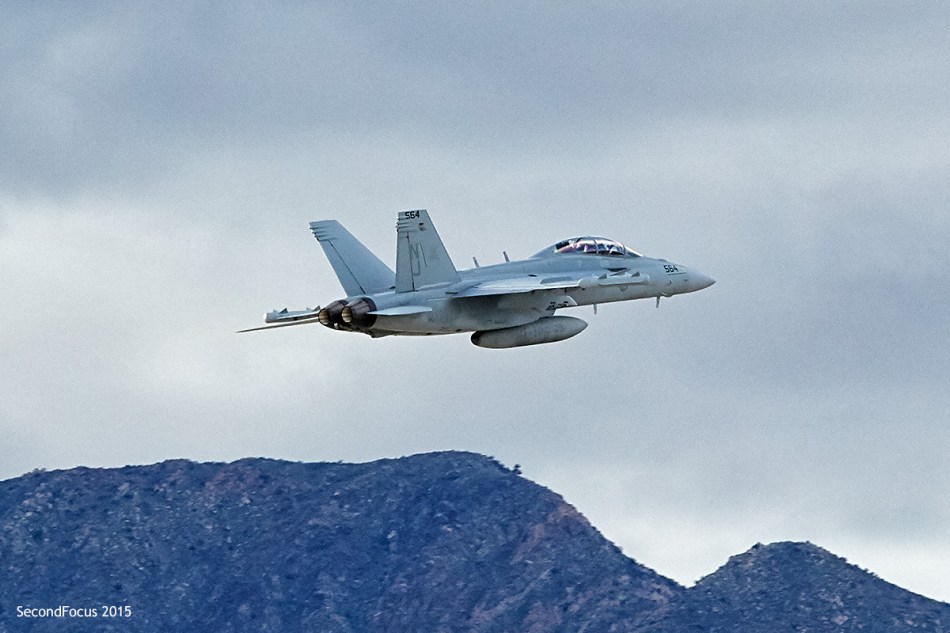
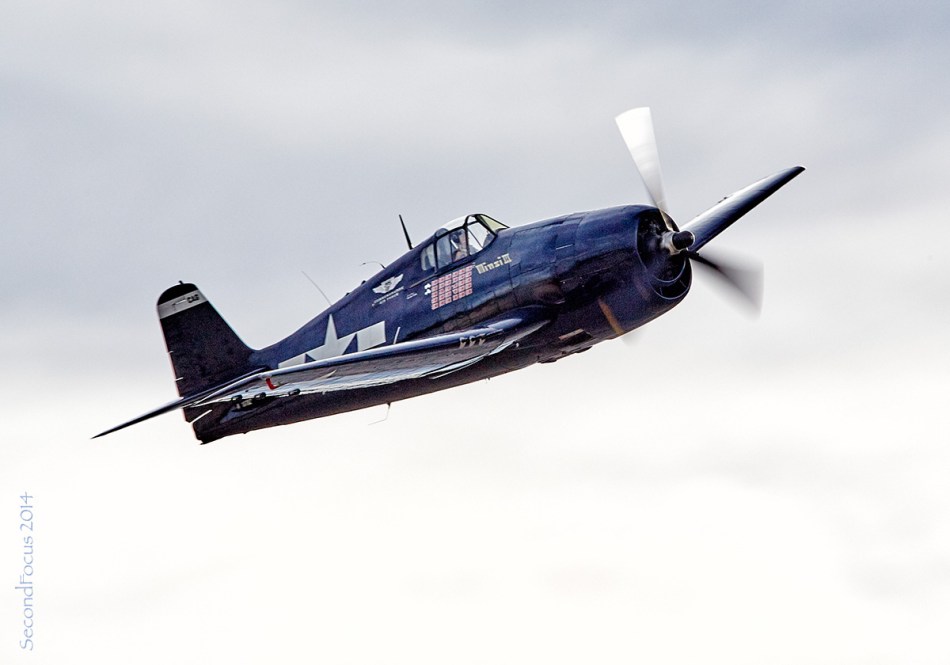
If you had been at the Palm Springs Air Museum yesterday to see a flying Hellcat you would have had a lot more coming your way. The United States Navy F6F Hellcat was a carrier based plane that destroyed more enemy aircraft during WWII than any other Allied Naval Aircraft. A truly huge and impressive airplane that was plenty to see in flight all by itself. But extra added excitement at the Palm Springs Airport with United States Marine Harriers and United States Navy F/A-18 Super Hornets landing and departing during the day. A very unexpected air show! The Palm Springs Air Museum is a good place to be! 


Avenger!
The new model Avenger was actually first introduced to the public by Grumman Aircraft on December 7, 1941 as Pearl Harbor was attacked by Japan. By early 1942 the first 100 were delivered to the United States Navy. Be sure to watch the video as this TBM Avenger 1900hp engine fires up and the wings are extended on this huge airplane. At the Palm Springs Air Museum. Very Cool!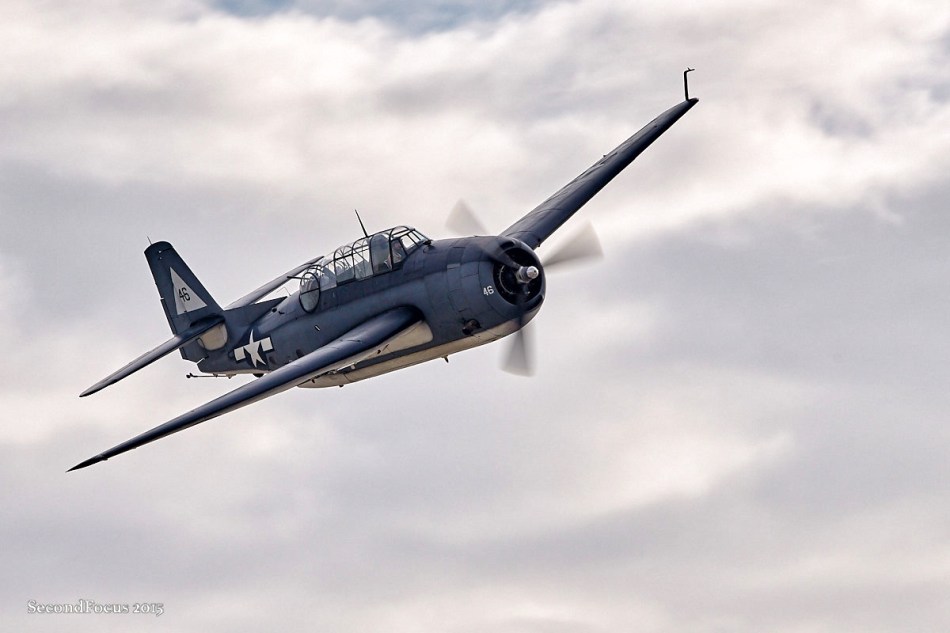
Dauntless Dive Bomber
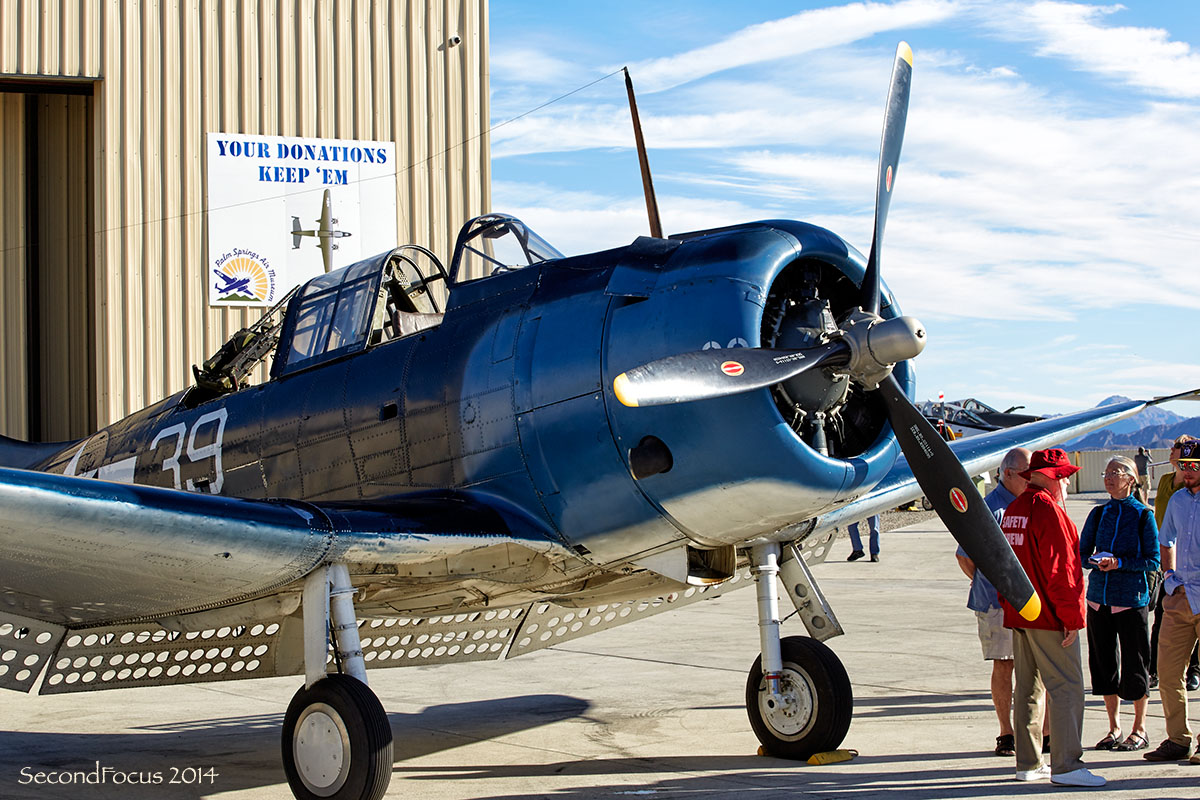
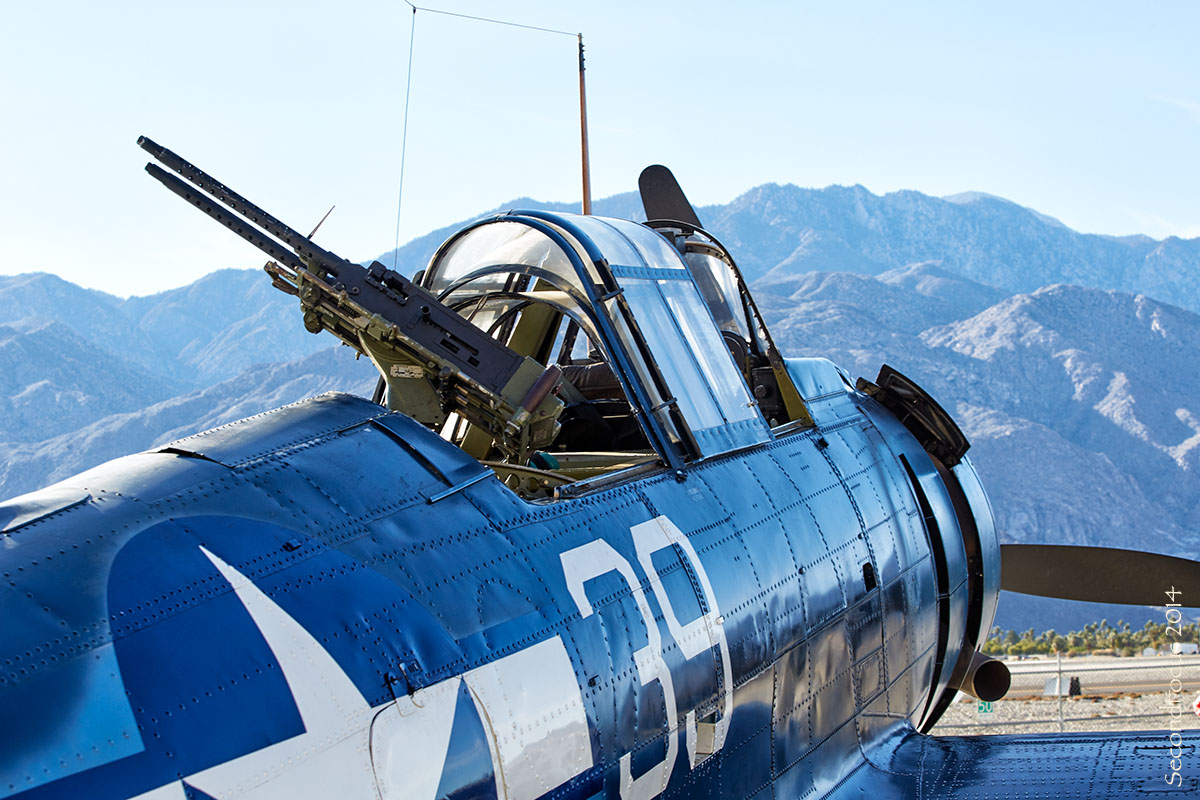
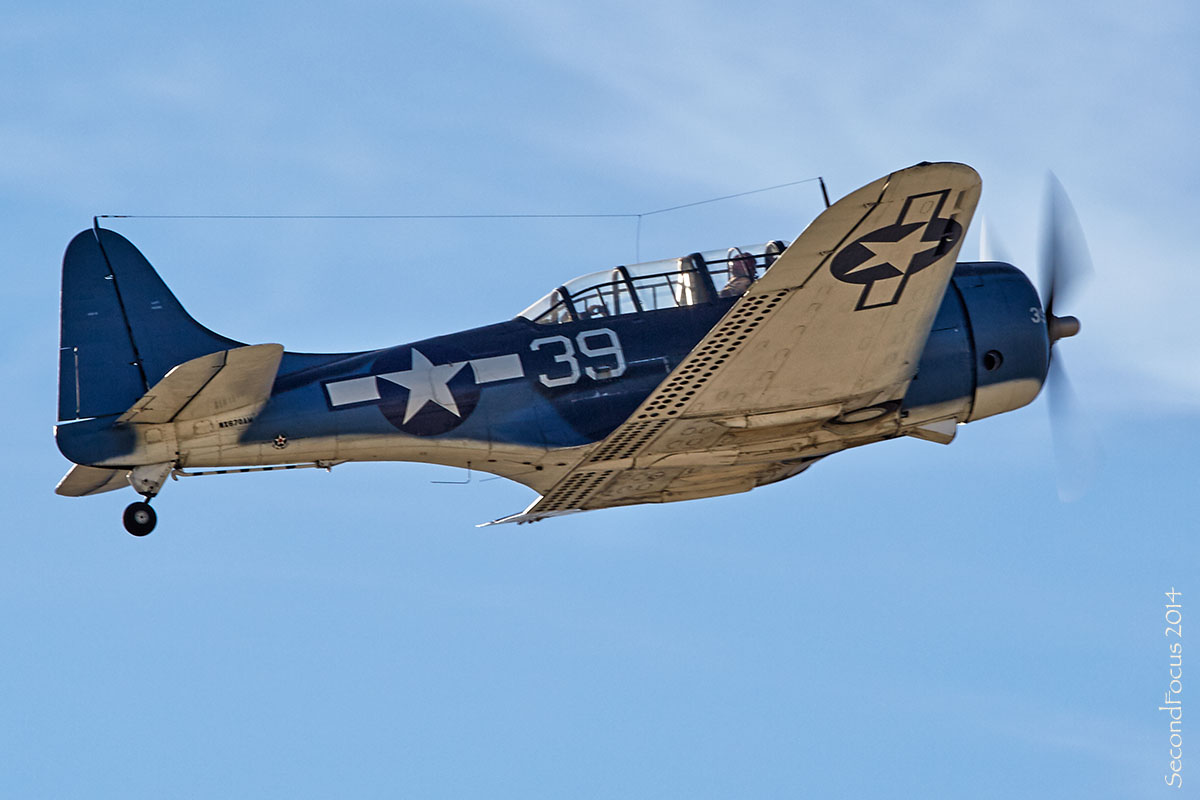
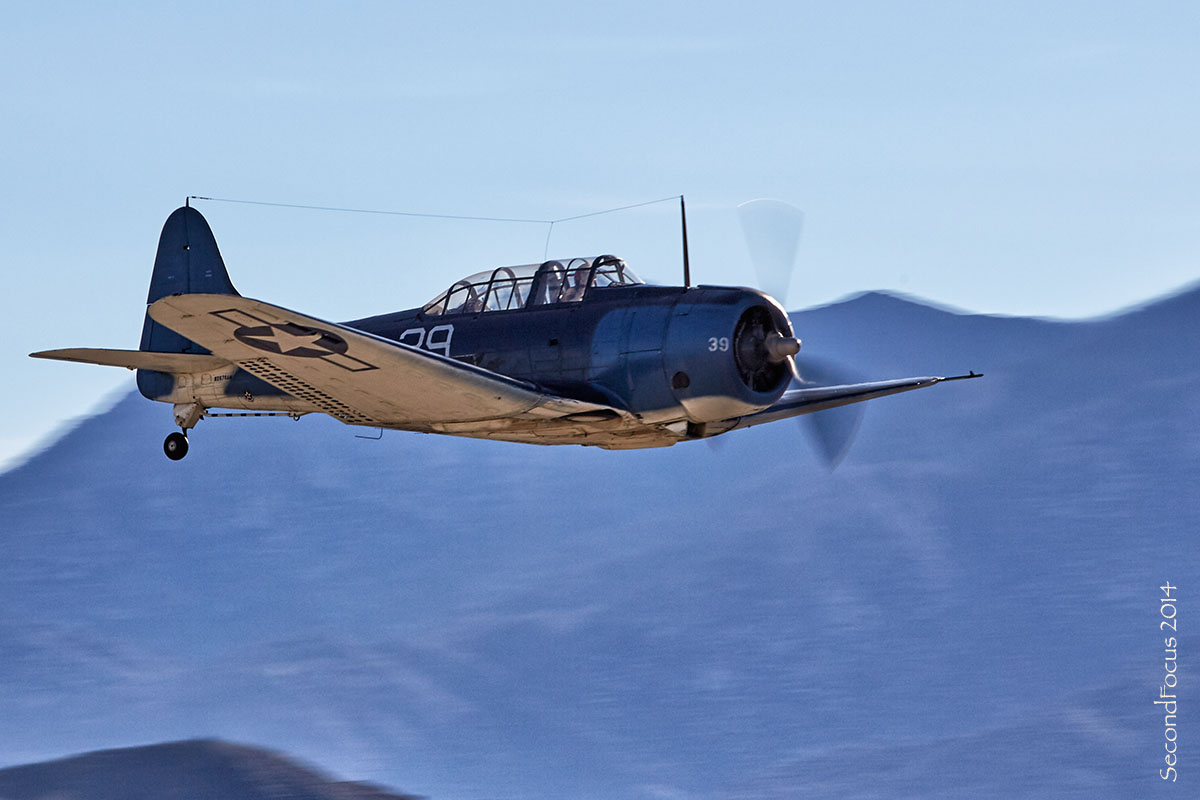
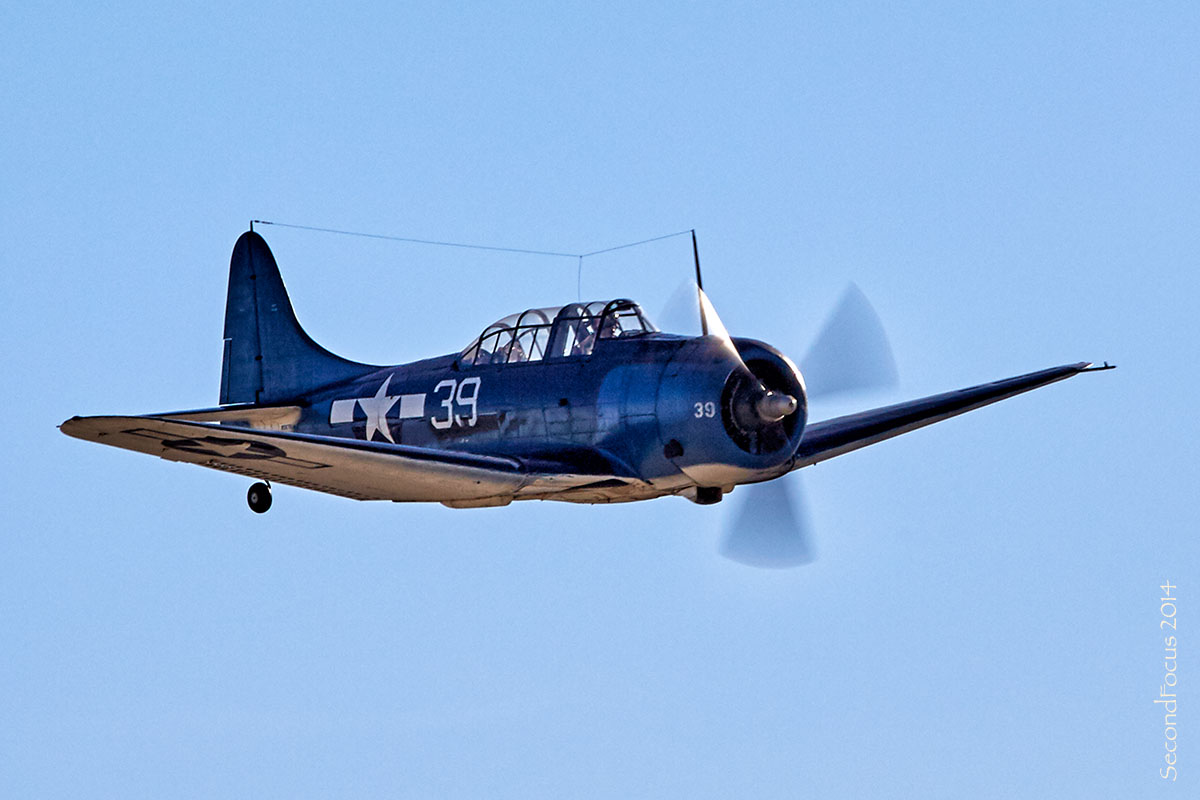
The SBD Dauntless is a World War II Naval dive bomber that is best known for sinking the Japanese carriers at the Battle of Midway in June 1942. This very rare and still flying Dauntless not only saw service during the war but also appeared in the movies “Midway” and “War And Remembrance”. Flying out of the Palm Springs Air Museum from the “Planes Of Fame” Air Museum in Chino California.


Hellcat!
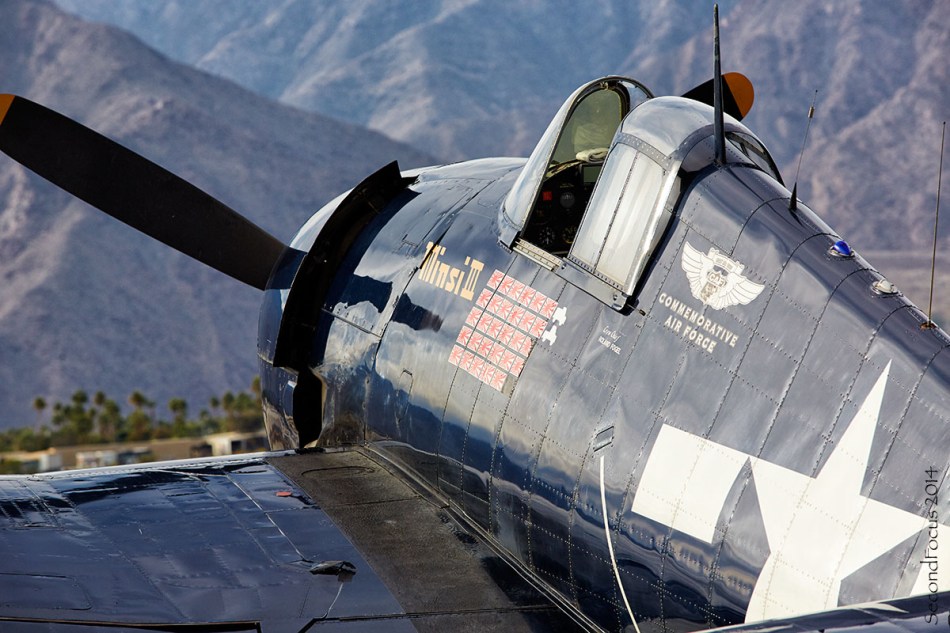
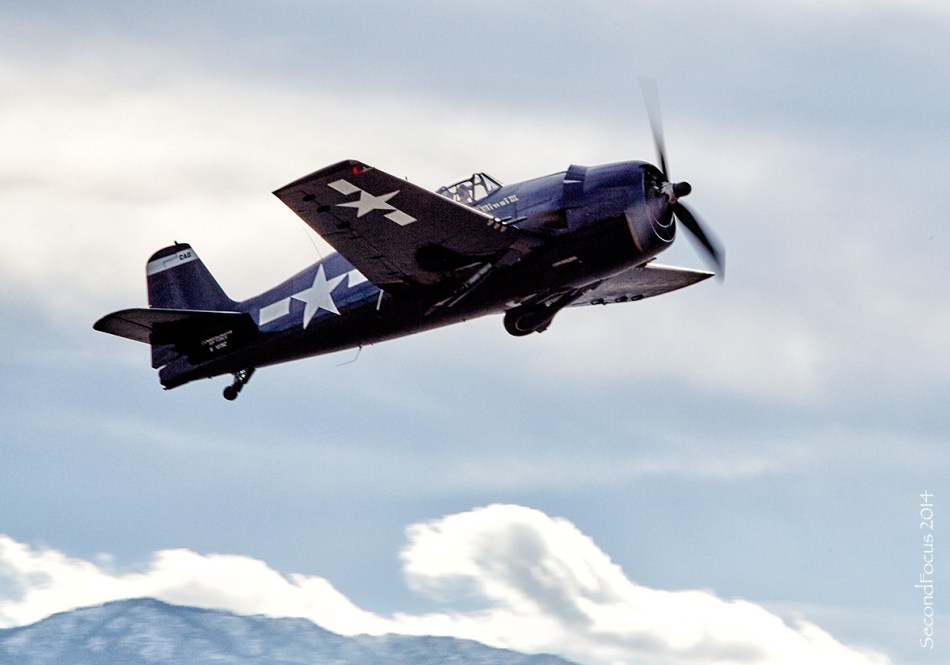
A United States Navy Hellcat. A carrier based plane that destroyed more enemy aircraft during WWII than any other Allied Naval Aircraft. Flying out of the Palm Springs Air Museum.
The C-47 And D-Day
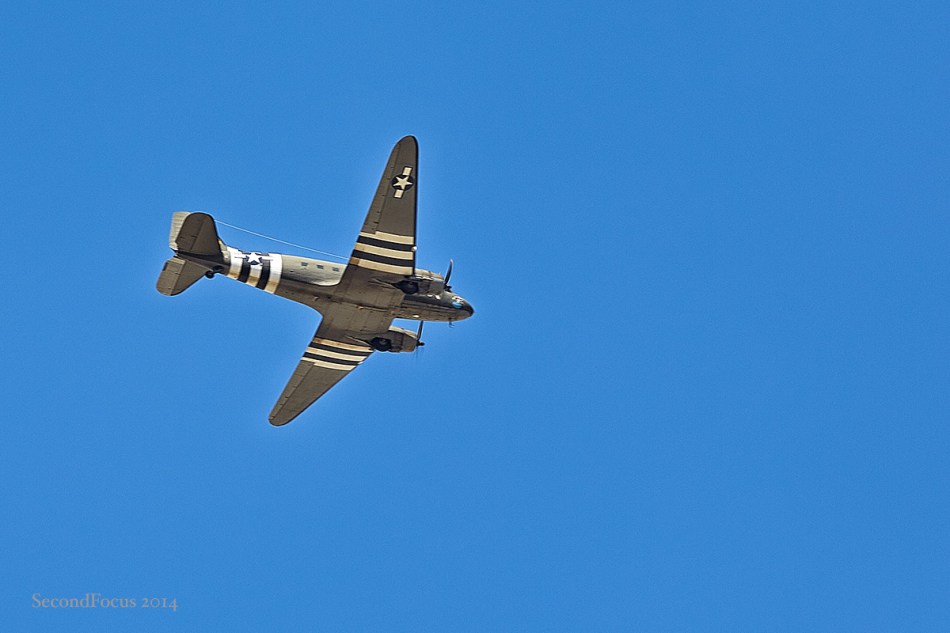
Yesterday over Palm Springs, a C-47 painted with the D-Day invasion stripes. The alternating black and white stripes were for easy identification by the Allies during the Normandy landings 70 years ago. The Palm Springs Air Museum flew their C-47 “What’s Up Doc” in honor of that anniversary of the largest seaborne invasion in history. Can you imagine the sky being filled with over 1,000 C-47’s dropping 13,000 paratroopers and towing assault gliders!
Norman Rockwell’s “Rosie The Riveter”

Norman Rockwell’s “Rosie The Riveter” for the May 29, 1943 issue of the “Saturday Evening Post”. It depicted a more robust Rosie but still feminine with her lipstick and curls. But the message is clear with the American Flag background and her standing on a battered copy of Hitler’s “Mein Kampf”. The original painting sold at auction in 2002 for almost $5,000,000. It is now displayed at museums. A photograph of the poster today at the Palm Springs Air Museum.
The First Commanding Officer of the Women’s Army Corp

Oveta Culp Hobby, the first commanding officer of the Women’s Army Corp created and encompassing 350,000 women during World War II. She was also the first secretary of the US Department of Health, Education and Welfare. A photograph of a photograph today at the Palm Springs Air Museum.
One Of Only Three Zero’s Still Flying In The World

One of only three World War II Japanese Zero’s still flying in the entire world. In the skies over the Palm Springs Airport courtesy of the Palm Springs Air Museum earlier today. This Zero, owned and operated by the Commemorative Air Force, was delivered to the Imperial Japanese Navy Air Group #3. It originally had an air cooled rotary engine producing 1,130 hp and a top speed of 388 mph at almost 20,000 feet. In today’s flight demonstration you could easily see it’s nimble and powerful maneuverability. I also have video which I will post here in the next day or two. Very Fun! Here is the video I shot of the Zero starting up and heading out to taxi. https://vimeo.com/93085158
The Only Dual Control P-51 Mustang
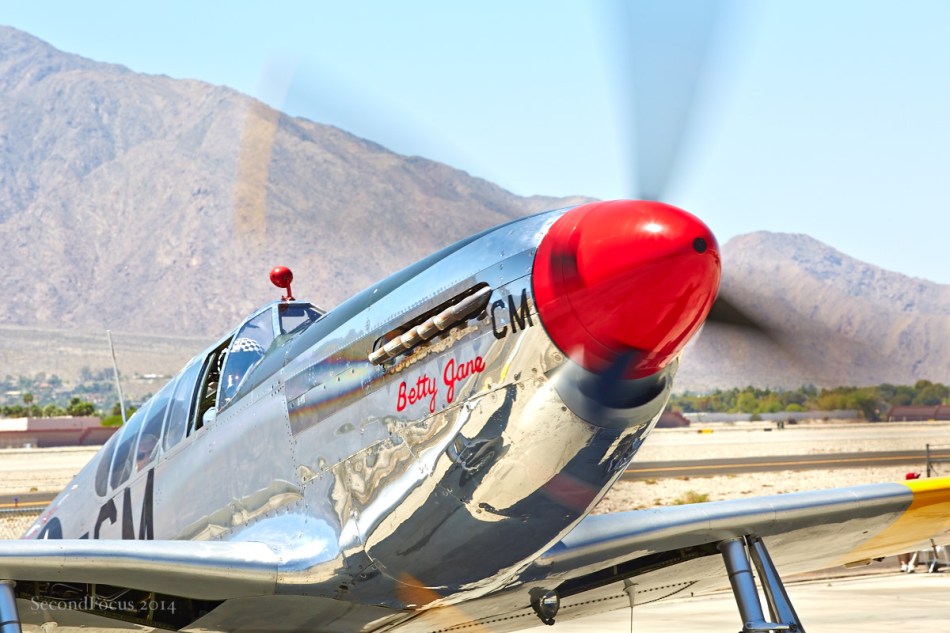
Another photograph from Wednesday at the Palm Springs Air Museum. The Collings Foundation P-51C Mustang, the only fully dual control version still flying. As well, there are fewer than five of the early B and C versions still flying. General Dwight Eisenhower rode in the back seat of one of these two seat versions over the beaches of Normandy to direct the D-Day Invasion of World War II.
The Only Flying B-24J In The World

The only restored flying B-24J in the world taking off from the Palm Springs Airport. Owned and operated by the Collings Foundation flying last weekend for the Palm Springs Air Museum, the Consolidated B-24 Liberator flew during World War II in the Pacific and Europe. I find it very exciting to point my camera at these tremendously fascinating and historic aircraft.
The Only Flying B-17 Flying Fortress

There are only ten of the Boeing B-17 Flying Fortress still flying and here is one of them. The B-17 flew daylight bombing missions over Europe in World War II. It was made famous in many movies but most recently in “Memphis Belle”.
Yesterday at the Palm Springs Air Museum. Also flying was the only fully restored B-24 Liberator bomber and the world’s only dual control P-51 Mustang fighter. Both from World War II, now owned and operated by the Collings Foundation.
This is just a preview, I will be posting more photographs and videos in the next few days.
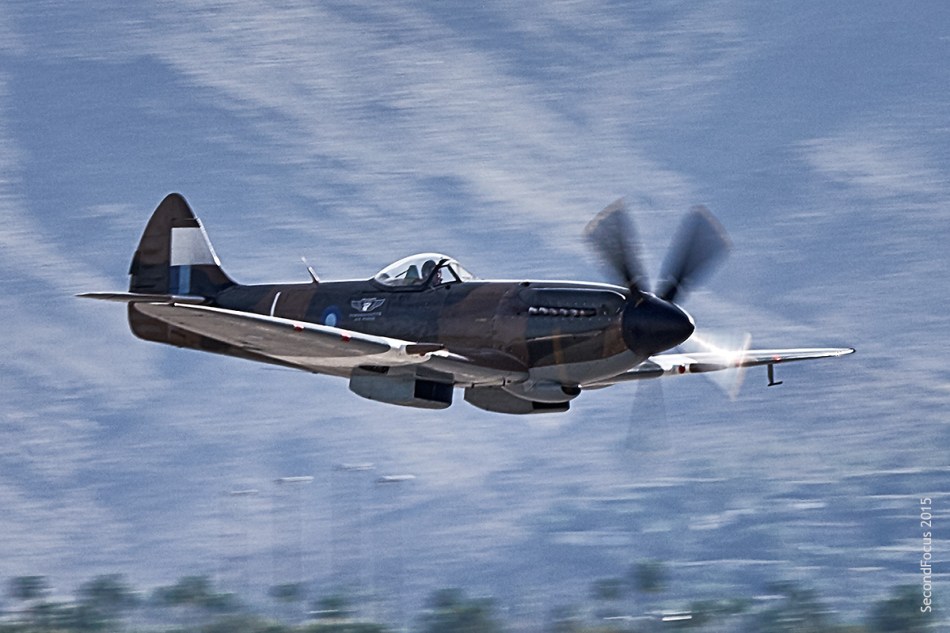
Supermarine Mk XIV Spitfire
A Supermarine Mk XIV Spitfire starting up and going out to do a fly by at the Palm Springs Air Museum yesterday. The British fighter made famous in the Battle Of Britain in World War II, this specific plane carries the paint scheme of the Indian Air Force. It’s supercharged engine at over 2000 horsepower drove it though the air at 450 miles per hour.
A Spitfire Mk XI in a flight on April 27, 1944 made the true airspeed of 606 mph in a dive. The propeller broke off, the pilot blacked out as the plane reached 11 g’s and when he regained consciousness he found himself at 40,000 feet with the wings swept back at an angle.
On February 5, 1952 another pilot flying out of Hong Kong took a Spitfire 19 to 51,550 feet. He ended up in an uncontrolled dive recovering below 3000 feet. Flight data showed he had reached 690 mph, Mach .96, which is the fastest flight ever recorded for a propeller driven aircraft.
Spitfire In The Air

A Supermarine Mk XIV Spitfire doing a fly by at the Palm Springs Air Museum yesterday. The British fighter made famous in the Battle Of Britain in World War II, this specific plane carries the paint scheme of the Indian Air Force. It’s supercharged engine at over 2000 horsepower drove it though the air at 450 miles per hour.
A Spitfire Mk XI in a flight on April 27, 1944 made the true airspeed of 606 mph in a dive. The propeller broke off, the pilot blacked out as the plane reached 11 g’s and when he regained consciousness he found himself at 40,000 feet with the wings swept back at an angle.
On February 5, 1952 another pilot flying out of Hong Kong took a Spitfire 19 to 51,550 feet. He ended up in an uncontrolled dive recovering below 3000 feet. Flight data showed he had reached 690 mph, Mach .96, which is the fastest flight ever recorded for a propeller driven aircraft.
Bearcat Fast & Low!
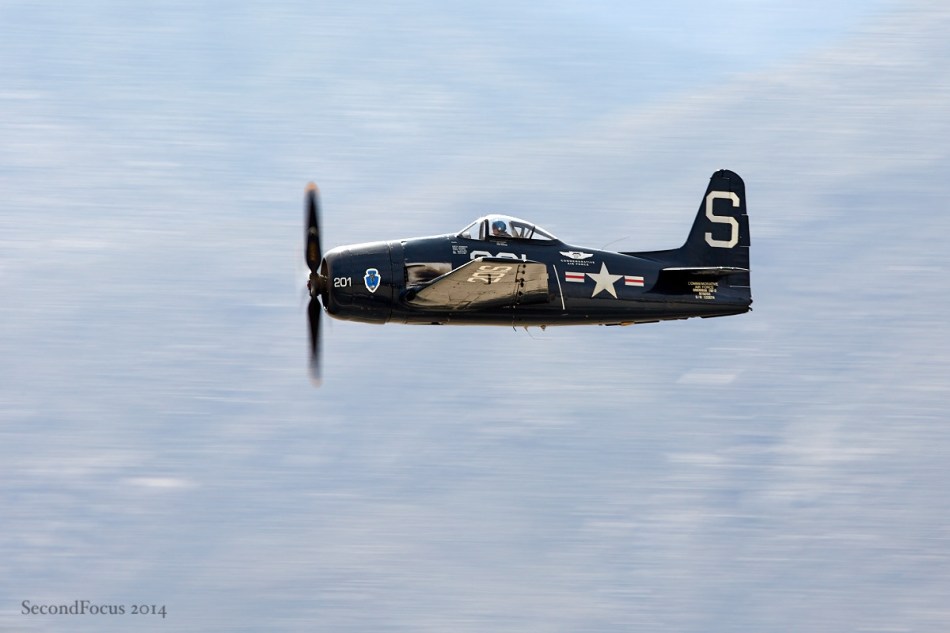
From yesterday at the Palm Springs Air Museum, here is that Grumman F8F-2 Bearcat fast and low over the runway at the Palm Springs Airport.
Bearcat Waking Up!
A Grumman F8F-2 Bearcat starting up and taxis out from the Palm Springs Air Museum on March 29, 2014. The Bearcat was developed during World War II but did not see service until the French Indochina War (Vietnam 1946-1954). The Bearcat is flown in air racing. One named the “Rare Bear” set the 3 km World Speed Record for piston-driven aircraft (528.33 mph/850.26 km/h) in 1989, and a new time-to-climb record (3,000 m in 91.9 seconds (6,425.9 fpm), set in 1972. Fast, loud and powerful, watch this thing start up!
On This Day 1941, The Tuskegee Airmen…

It was on this day, March 19th in 1941 that the 99th Pursuit Squadron was activated at Chanute Field in Rantoul, Illinois. These enlisted men became the core of other “black” squadrons who went on to be known as the Tuskegee Airmen.
It was my honor to photograph members of the Tuskegee Airmen honored on Memorial Day 2012 at world famous Muscle Beach. From left to right… Levi Thornhill, Buford Johnson, Heather Clay, Brig. Gen. Roger W. Teague, Edward Tillman, and Ted Lumplin.
The World’s Only FLYING WWII PB4Y Patrol Bomber
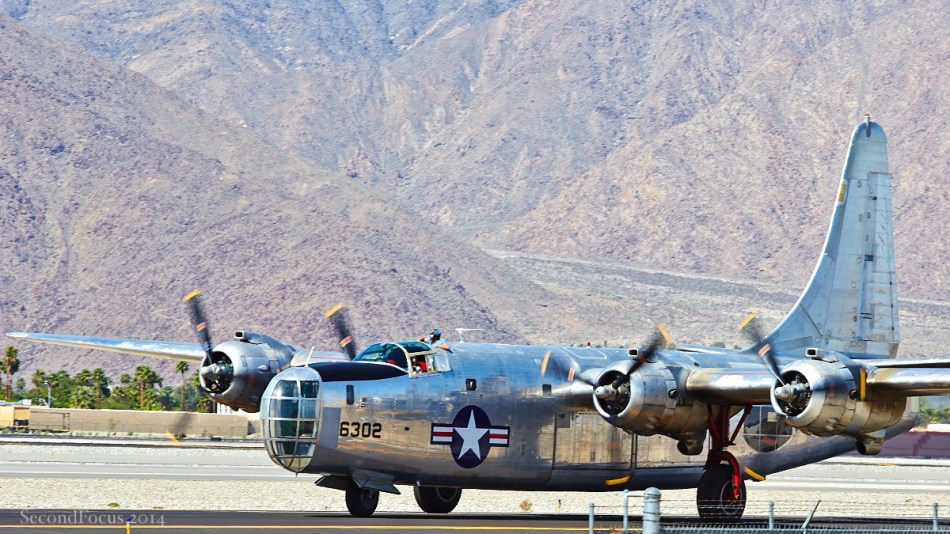
The World’s Only FLYING Privateer PB4Y Patrol Bomber (Navy variant of the B-24 Heavy Bomber) coming in to the Palm Springs Air Museum yesterday. I had to see it and take photos for sure!
P-51 Mustang Very Low and Very Fast!

The P-51 Mustang “Wee Willy II” at The Palm Springs Air Museum yesterday. He made four passes low and fast! Very low and very fast, and I also stood as tall as I could to shoot the photographs!
P-51 Mustang “Wee Willy II”
P-51 Mustang “Wee Willy II” Taxi Out At The Palm Springs Air Museum March 15 2014. A P-51D “Wee Willy II” was originally sold as surplus at McClellan Air Force Base in 1958. It crashed in 1979 at the Reno Air Races and has since been restored and has it’s home base in Chino California.
“War Photographers Pass” – Donald H. Cravens
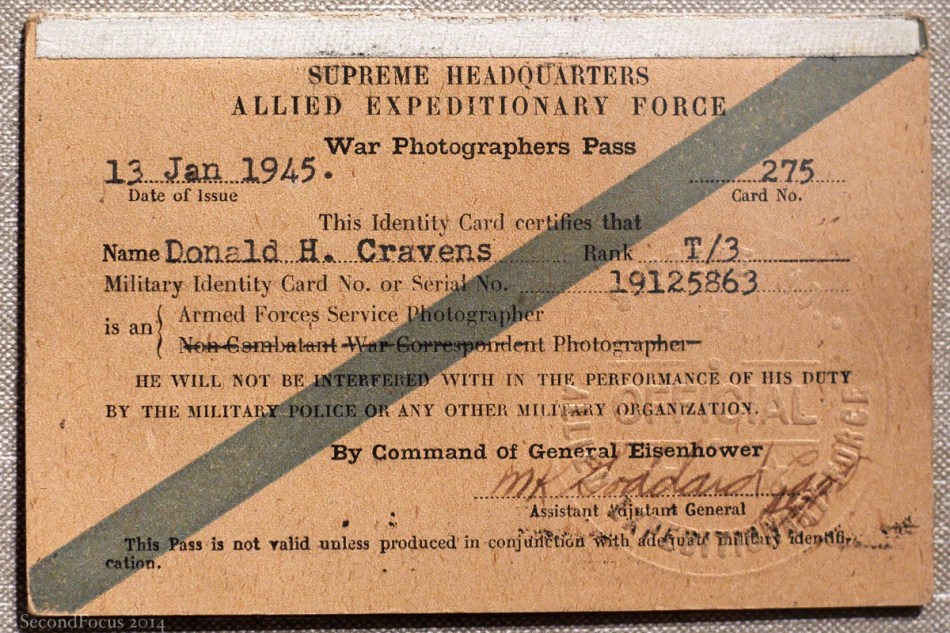
This is something you certainly won’t see everyday. A War World II “War Photographer’s Pass” issued to Donald H. Cravens. I photographed this yesterday at a showing of the photographs of Don Craven at the Walter N. Marks Center for the Arts at College of the Desert in Palm Desert California.
Don Cravens was in the first cinematography class at USC when World War II began and he enlisted as a combat cinematographer. Don was there at the attempted assassination of French President Charles De Gaulle. He was in the D-Day Invasion of Normandy and on the front lines thereafter with a motion picture camera and a pistol.
After the war as a photographer he was assigned to cover many of the most historical events over years including the Nuremberg War Crime Trials through the Civil Rights Movement. Indeed some of the most often seen photographs of the times were shot by Don Cravens.
Don Cravens went on to cover the assassination of President John F. Kennedy and other tragedies of those years finally moving to Beverly Hills and photographing movie and music stars and personalities of the 1960’s.
He has been awarded two Purple Hearts and in 2007 the French Medal of Liberty – the Legion d’Honneur for his war service.
An exhibit of photographs from a man who witnessed and recorded some of the most profound moments of history. Very happy I went to see it and learn more about the man.
 SecondFocus Blog