I Guess It Is Fast Food If It Travels at Freeway Speed
I guess it is fast food if it travels at freeway speed.
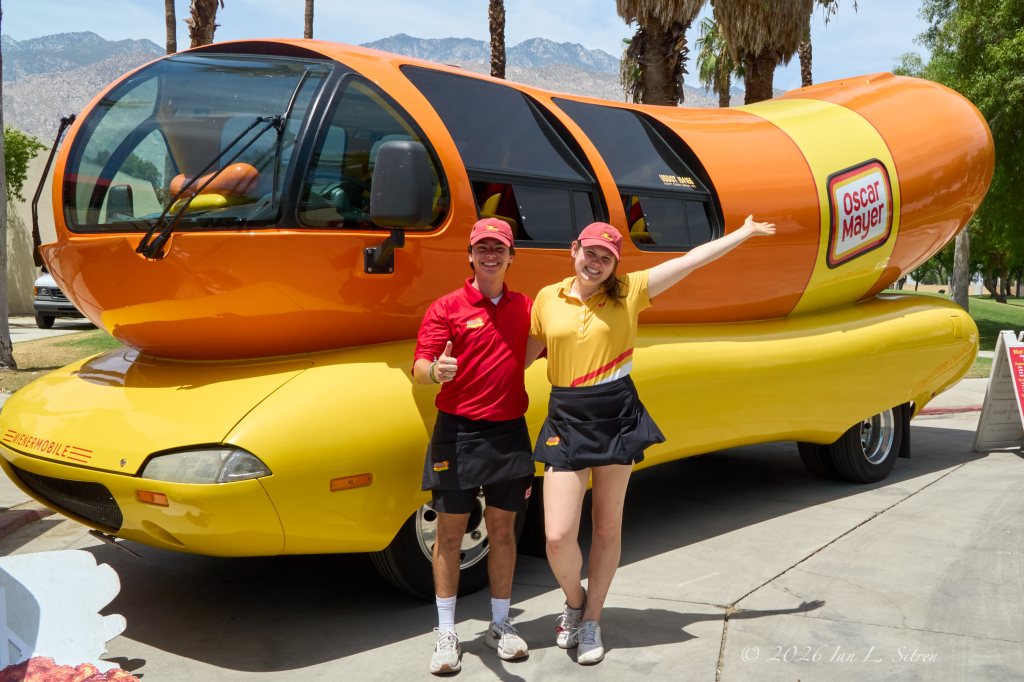
That was my first thought when the Oscar Mayer Wienermobile rolled into Palm Springs this weekend.
Although it looks like something from a cartoon, the Wienermobile has a remarkable history. The first one was commissioned in 1936 by Carl Mayer, the nephew of Oscar Mayer, as a rolling advertisement for the company’s hot dogs. Nearly ninety years later, it has become one of the most recognizable promotional vehicles ever created, with generations of Americans spotting it at parades, fairs, festivals, and community events across the country.
The Wienermobile I photographed is one of the newest in the fleet, having been built in 2024. While it carries nearly nine decades of history, it spends most of its time doing exactly what it was designed to do, traveling America’s highways, making appearances, and bringing smiles wherever it stops.
A big part of that tradition belongs to the people behind the wheel. Oscar Mayer selects recent college graduates to spend a year traveling the country as Hotdoggers, serving as ambassadors for the brand. Pictured here are Aiden Jaffe, known as “All Beef Aiden,” and Lauren Trippeer, whose Hotdogger name is “Lucky Dog Lauren.” They spend their year introducing visitors to one of the most famous vehicles on the road and answering questions about the Wienermobile wherever it stops.
I photographed the Wienermobile from every angle, including the surprisingly well-appointed interior, for syndication through ZUMA Press, but this photograph seemed to tell the story best.
You can see more photography, motion, projects, and my Blog at SecondFocus.com
Thank you!
July 12, 2026 FOLLOW UP
It isn’t everyday that photos of the Wienermobile make the “BREAKING NEWS from LAST 24 HOURS”!

National Hamburger Month, The Whopper Strikes Back in the BIG ARCH Authenticity War
Yesterday I wrote about the introduction of the BIG ARCH from McDonald’s and the strange corporate authenticity debate that unexpectedly formed around it. That post ended up becoming less about hamburgers themselves and more about how massive fast food companies now perform for the public in real time, with every detail immediately analyzed, mocked, defended, or turned into marketing.
If you missed it, the first part is here:
But the story really did not stop with McDonald’s.
Burger King quickly responded using the Whopper as its counterargument. Not a new burger. Not a limited-time release. Just the Whopper itself, the company essentially arguing that authenticity did not need to be engineered because they already had it.
That became the fascinating part of this entire fast food moment.
McDonald’s presented the BIG ARCH almost like a flagship corporate object, oversized, stacked, carefully engineered, heavily promoted. Burger King responded with flame-grilled familiarity and a deliberately less controlled image. The companies were no longer simply competing on taste or price. They were competing on who appeared more believable.
And honestly, that may be the most modern form of advertising possible.
The Whopper itself has a long history. Introduced in 1957, it actually predates the Big Mac and became Burger King’s defining product for decades. Larger, messier, harder to eat cleanly, more physically uneven than the carefully stacked advertising versions most companies prefer to show.
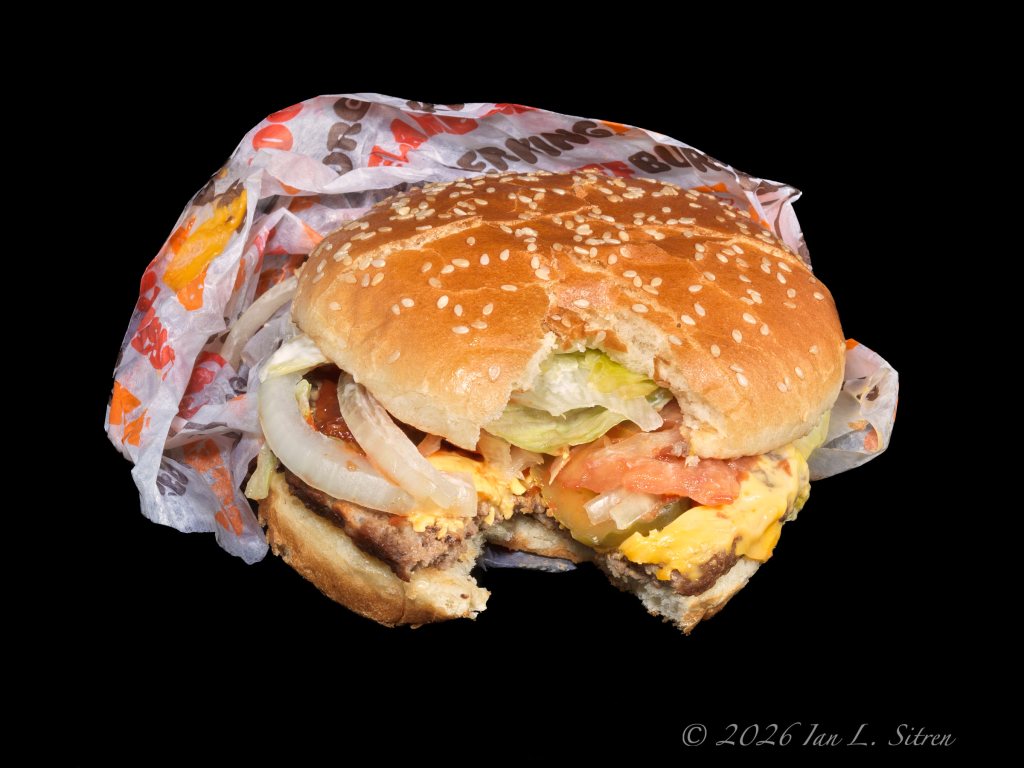
Which is why this photograph interested me.
Unlike the BIG ARCH image I photographed earlier, this one already has a good sized bite taken out of it. The wrapper is still there. The burger is compressed from the bite. Sauce and onions are shifting out of place. It looks handled because it was handled.
That changes the photograph completely.
The image stops being about idealized presentation and becomes more about evidence, consumption, and the strange reality of how people actually interact with fast food. The burger becomes less like advertising and more like an object moving through someone’s life for a few minutes before disappearing.
That tension has become part of what I am exploring with the Food From Bag To Background project.
Fast food companies spend billions trying to construct images around products like this. Commercials, slogans, campaigns, celebrity promotions, social media teams, engineered branding language. But once the wrapper opens and someone takes a bite, the entire performance starts collapsing back into something very physical and very ordinary.
And somehow that may be the most authentic part of the entire thing.
More from the Food From Bag To Background project at https://www.secondfocus.com
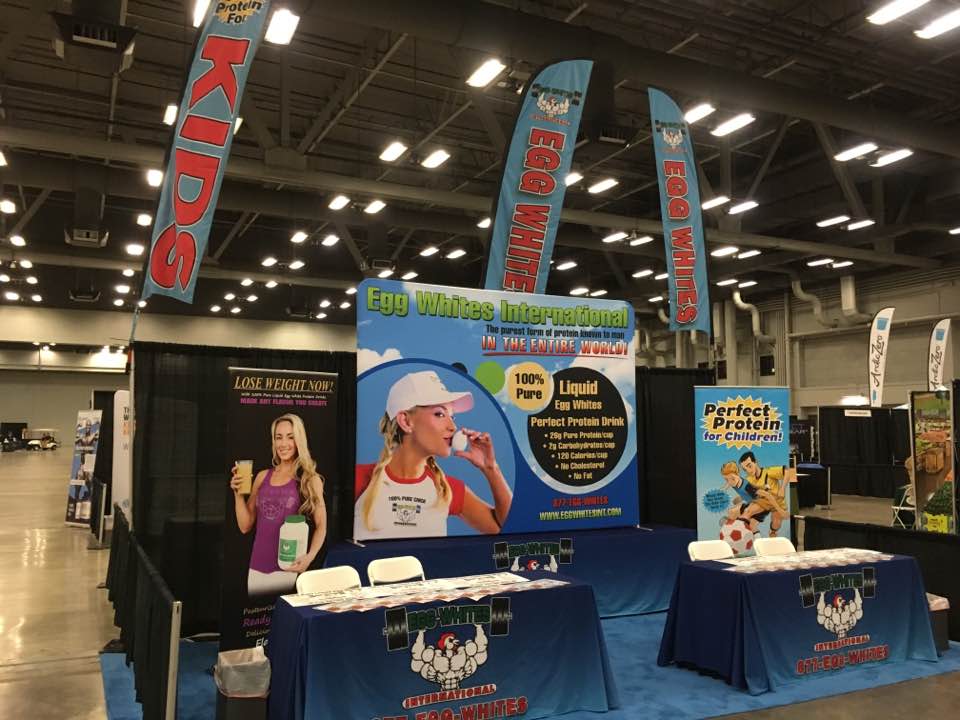
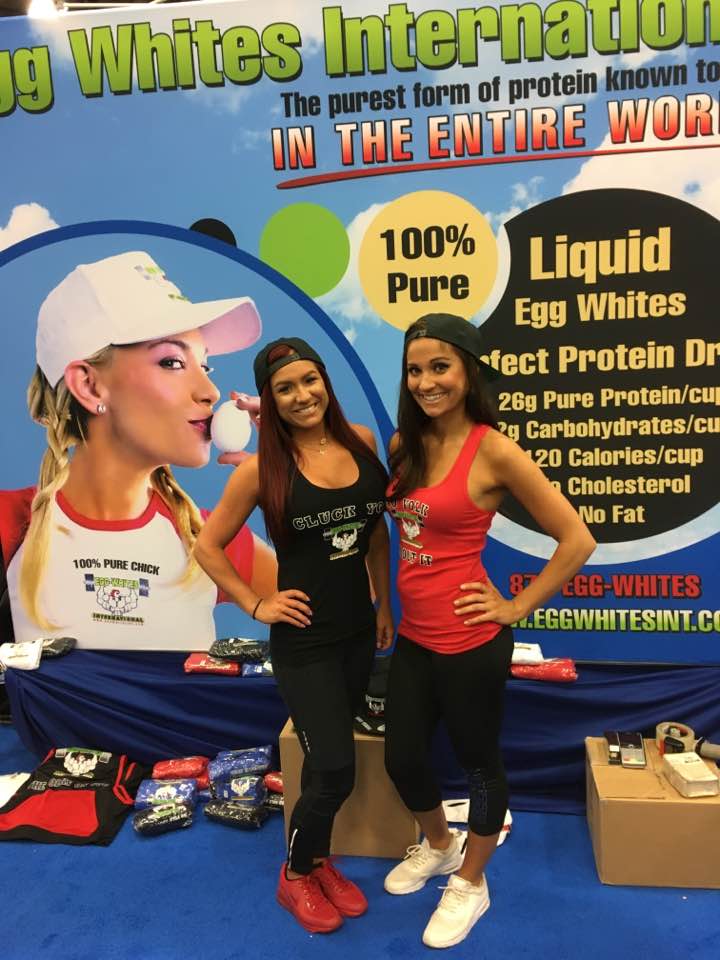
Branded By A Kiss
Do you have that one iconic photograph that has branded and built your product or service or company? For a decade they have used my photograph of Renee kissing an egg for their trade show displays, brochures, flyers, and even t-shirts and caps. I don’t know if it has been seen my billions but certainly millions. Now you find Egg Whites International anywhere and everywhere from gym stores and counters to major grocery chains. Without question regarded as the premier 100% Pure Liquid Egg Whites in the entire world. These photographs at their booth at the 2016 Naturally Fit Games in Austin TX going on right now. Ready to talk about me photographing your advertising or magazine features? Send me an e-mail to Ian@SecondFocus.com. Let’s do it!